
We stated stated last spring (correctly) that people should focus on general health and nutrition.
We created a massive repository of information early on at https://smashomash.com/forum/forum/topic/coronavirus/ .
Here’s our mission statement: https://smAshomAsh.com/forum/mission and this certainly falls under the portion about reducing risk, and liabilities and saving lives no matter what the adversity is.
It’s obvious that there are correlations with covid deaths and vitamin D deficiency.
It’s obvious that obesity correlated even more strongly with bad covid health outcomes. Africa is currently less than 6% vaccinated, but obesity isn’t an epidemic in Africa: obesity is an epidemic in western nations.
Here’s a paper regarding this:
Abstract:
A growing body of evidence indicates that obesity is strongly and independently associated with adverse outcomes of COVID-19, including death. By combining emerging knowledge of the pathological processes involved in COVID-19 with insights into the mechanisms underlying the adverse health consequences of obesity, we present some hypotheses regarding the deleterious impact of obesity on the course of COVID-19. These hypotheses are testable and could guide therapeutic and preventive interventions. As obesity is now almost ubiquitous and no vaccine for COVID-19 is currently available, even a modest reduction in the impact of obesity on mortality and morbidity from this viral infection could have profound consequences for public health.
Full text available at:
https://www.ncbi.nlm.nih.gov/pmc/articles/PMC7323660/
___
Obesity Rates Across Africa
What Is Obesity?
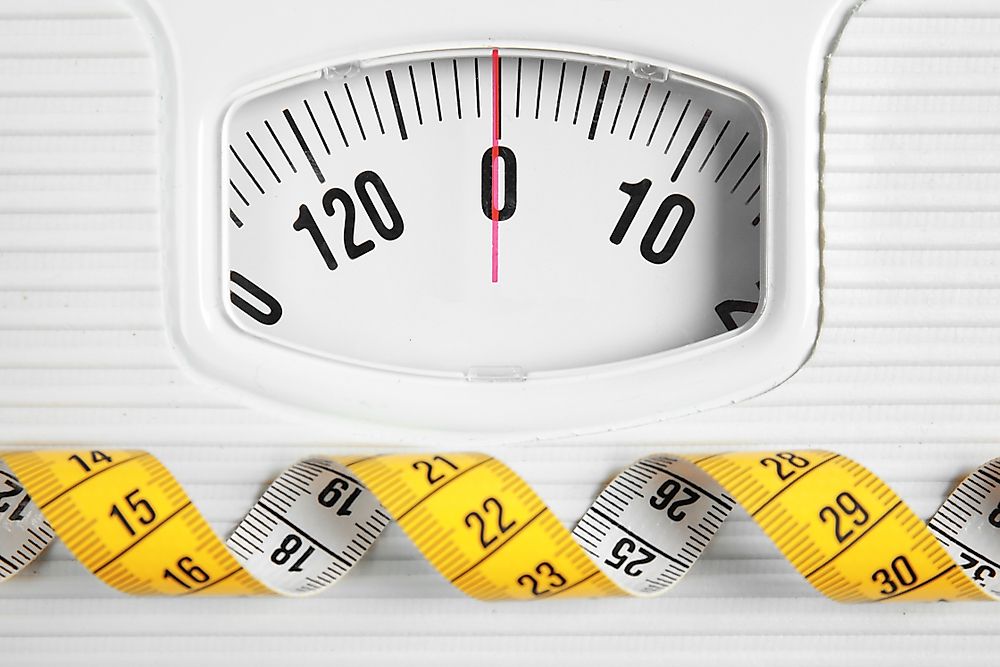
Obesity is a health condition of excessive body fat or being overweight that affects millions of people worldwide. An individual with a body mass index (BMI) of more than 30 is generally considered to be obese. Research shows that obesity increases an individual’s risk of developing many diseases including type 2 diabetes, hypertension, cardiovascular diseases, and several types of cancer. While obesity rates have historically been relatively low in Africa, they are steadily rising throughout the continent. Higher rates of obesity in Africa are attributed to increased urbanization, sedentary lifestyles, and fat-rich diets.
The Three Fattest Countries In Africa
Libya
According to data, Libya ranks as the 16th most obese country in the world, and the fattest country in Africa, with an adult prevalence obesity rate of 32.5. The rate of obesity in Libya increases with age, and is almost two times more common among women than men, which is explained by the fact that Libyan women typically spend more time in the home, and thus lead a more sedentary lifestyle. The Libyan diet is also rich in fat and high in carbohydrates, which are contributing factors for high obesity rates in the country.
Egypt
Egypt is the second fattest nation in Africa. The traditional Arab diet, which is heavy in carbohydrates, sugar, and meat, is held primarily responsible for obesity in Egypt. While families with low-income have few options other than to consume large meals that consist of potato and rice dishes at the end of a long working day, those with high incomes consume meat and fast-food in large quantities. Sugary treats and added sugar in tea are also popular in Egypt. A lack of physical activity is also responsible for the country’s high obesity rates. City planning and school curriculums in Egypt also often do not encourage physical exercise. Additionally, social gatherings encourage feasting, which increase caloric intake.
South Africa
With an obesity rate of 28.3%, South Africa is sub-Saharan Africa’s fattest nation, and the third fattest country in the continent. Obesity affects women than men in South Africa, as well as a significant population of the country’s children. Researchers claim that recent demographic and socioeconomic changes in the country have led to dietary changes that have triggered obesity.
Malnutrition In Africa
While the countries listed above have high rates of obesity, most other countries in Africa have significant rates of malnourishment, which results in dangerously low BMI levels. While many African countries are developing rapidly, poverty rates across the continent remain among the highest in the world, and therefore food insecurity is a significant issue. As a result, many African children face serious nutrition challenges that lead to stunted growth.
List Of The 10 Fattest Countries In Africa By Obesity Rate
| Rank | Country | Obesity Rate |
|---|---|---|
| 1 | Libya | 32.5% |
| 2 | Egypt | 32.0% |
| 3 | South Africa | 28.3% |
| 4 | Algeria | 27.4% |
| 5 | Tunisia | 26.9% |
| 6 | Botswana | 18.9% |
| 7 | Namibia | 17.2% |
| 8 | Lesotho | 16.6% |
| 9 | ESwatini | 16.5% |
| 10 | Zimbabwe | 15.5% |
___
in any case, here’s one more example of real science on this.
Covid-19 death rates are 10 times higher in countries where more than half of the adult population is classified as overweight, a comprehensive report from the World Obesity Federation has found. (Source: https://www.bmj.com/content/372/bmj.n623 )
The fact is that Africa as a continent does not have an obesity problem.
___
*THIS POST IS PUBLIC, AND PLEASE SUPPORT OUR ORGANIZATION BY SHARING AND BECOMING A PAID SUBSCRIBER AT THE SILVER OR GOLD LEVEL OR PAID UP ANNUAL MEMBERSHIP (BEST VALUE). Logging in to a paid subscription at https://smAshomAsh.com/smashteam will reveal additional content.*